
Vitamins to Take (and Avoid) While on the HCG Diet Plan
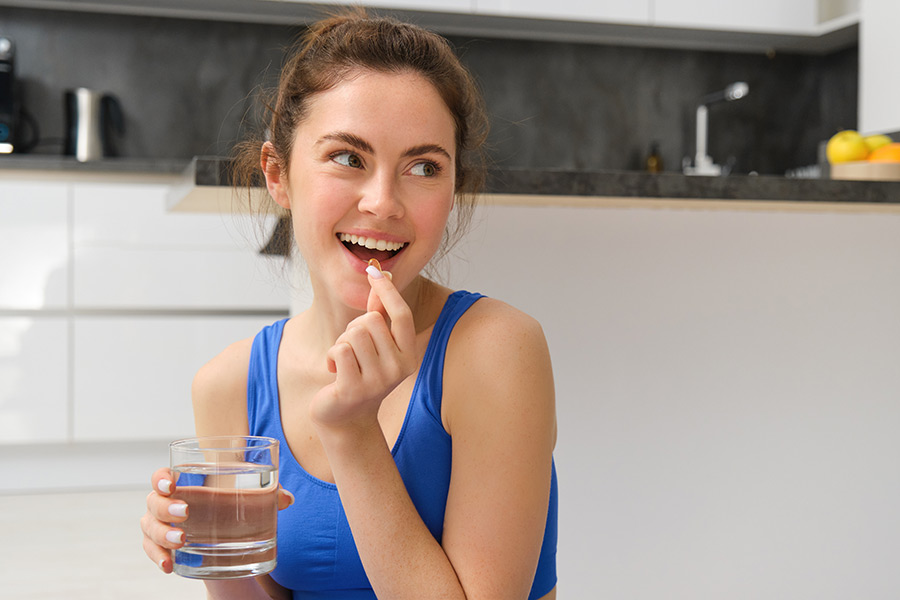
The HCG Diet Plan is designed to promote fat loss while preserving lean muscle, even on a very low-calorie intake. Because the plan significantly restricts calories—especially during the VLCD (Very Low-Calorie Diet) phase—many people wonder which vitamins are safe, helpful, or potentially disruptive. Choosing the right supplements can support energy, metabolism, and overall health without interfering with results.
Vitamins You Should Take on the HCG Diet
- Multivitamin (Sugar-Free & Iron-Free Preferred)
- Vitamin B12 or B-Complex
- Vitamin D
- Electrolytes (Without Sugar)
- Magnesium
A high-quality multivitamin helps fill nutritional gaps created by the low-calorie intake. Look for one without added sugars, fillers, or oils. Women who are not iron-deficient should choose an iron-free option, as iron can sometimes cause digestive upset during the diet.
B vitamins support energy production, metabolism, and nervous system function. Since fatigue can occur during the first week of HCG, B12 (sublingual or liquid forms are ideal) may help improve stamina and mental clarity without affecting fat loss.
Vitamin D plays a key role in immune function, mood, and hormone balance. Many adults are deficient, and supplementation can be especially helpful during HCG—particularly if sun exposure is limited.
While not technically vitamins, electrolytes like sodium, potassium, and magnesium are essential during HCG. They help prevent headaches, dizziness, muscle cramps, and fatigue. Choose clean, sugar-free electrolyte powders or mineral drops.
Magnesium supports muscle function, sleep quality, and digestion. It can also help reduce constipation, which some people experience on the VLCD phase.
Vitamins and Supplements to Avoid on the HCG Diet
- Fat-Based Vitamins (A, D, E, K in Oil Form)
- Omega-3s, Fish Oil, or MCT Oil
- Protein Powders and Amino Acid Blends
- Gummy Vitamins or Chewables
- Appetite Suppressants or Metabolism Boosters
During the VLCD phase, fats are strictly limited. Oil-based vitamins or gel capsules may interfere with fat metabolism and should be avoided unless water-soluble or doctor-approved.
While healthy under normal circumstances, these supplements contain fats that can disrupt the HCG protocol and slow progress during active weight loss phases.
Many protein supplements contain hidden sugars, oils, or fillers. Even “clean” versions may conflict with the carefully structured protein intake required on HCG.
These often contain sugar, glucose syrup, or starches that can cause stalls or cravings. Capsules, tablets, or liquid supplements are better choices.
Stimulant-based supplements can interfere with hunger signals, cortisol levels, and hormonal balance—key components of the HCG Diet’s effectiveness.
Nourishing Your Body the Smart Way
When it comes to supplements on the HCG Diet Plan, less is more. Focus on essential, clean, sugar-free vitamins that support energy and overall wellness without adding fats or fillers. Always read labels carefully and consult your healthcare provider if you have medical conditions or take prescription medications. With the right support, your body can thrive—and your results can shine—while following the HCG Diet Plan successfully.


